01
Fixing Unit Economics
Understanding CAC, LTV, payback period, gross margin, pricing and the economics that determine whether growth is actually creating value.
You've proven the business can work. The next stage asks different questions—about your team, your economics, your priorities, and the role you play in the company.
I've spent 15+ years building companies and leading through those transitions. Now I help founders work through the business decisions and leadership challenges that come with growth.
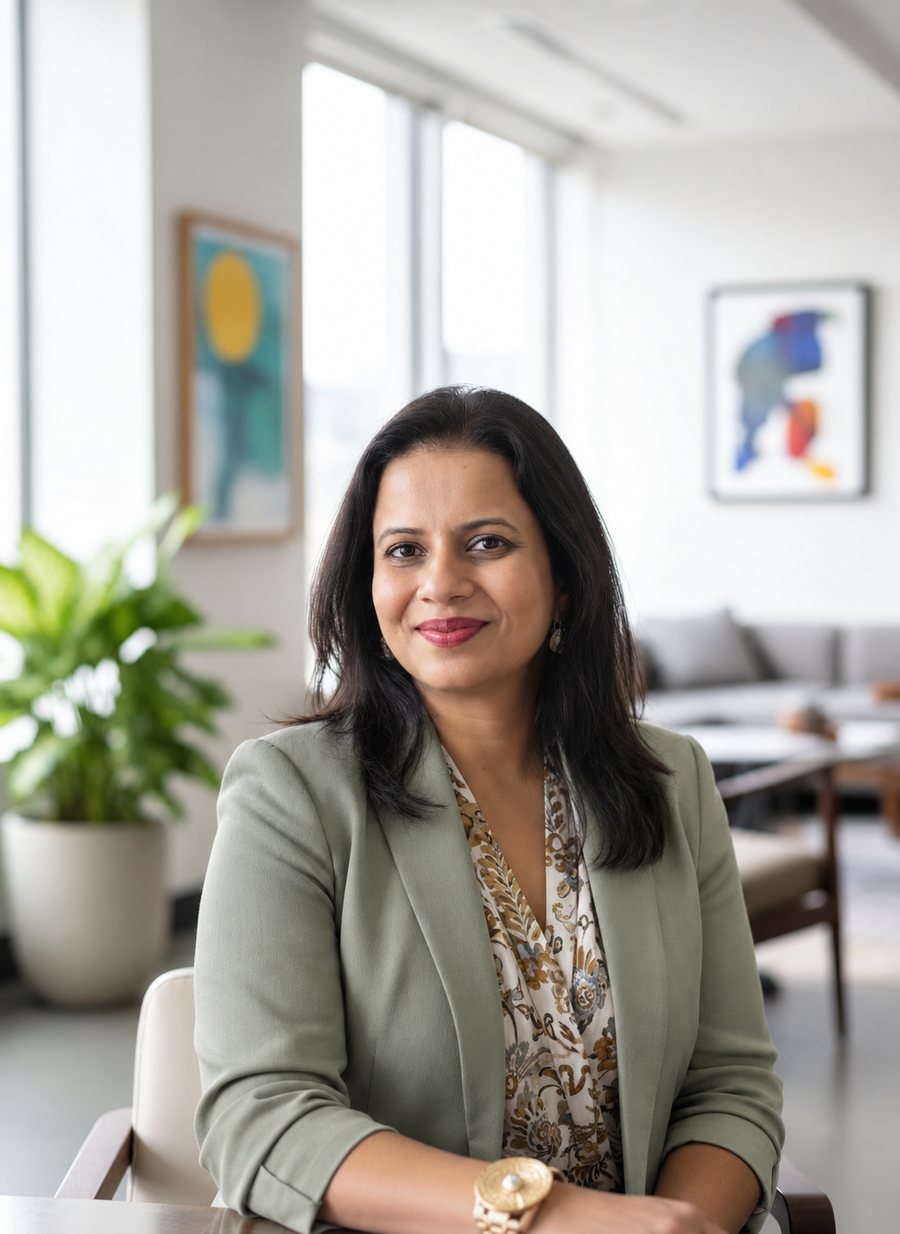
I've built Lynx from a single idea into a 75-person operation across 5 countries. I've made plenty of mistakes along the way—and learned what changes when a founder moves from building everything themselves to leading a company that can no longer depend on them for every decision.
Growth changes more than the business. It changes the founder. The leadership style, operating habits and decision-making patterns that helped you get here may not be what gets you to the next stage.
For founders moving from $100K–$250K toward $1M, or from $1M toward $5M.
Start with one complimentary hour. No pitch. No prescribed agenda. Bring the problem you're wrestling with.
As the company grows, the questions get harder: How do I build the right leadership team? What should I still own? Where are the economics actually working? What needs to change before I can scale again?
I bring 15+ years of operating experience to the conversation—not a generic founder playbook. We work through the business decisions, leadership challenges and founder transitions that matter most to your next stage of growth.
Understanding CAC, LTV, payback period, gross margin, pricing and the economics that determine whether growth is actually creating value.
Building the team your next stage requires—and making the difficult calls when the current structure no longer works.
Clarifying roles, responsibilities, decision rights and accountability as the company becomes more complex.
Figuring out what you need to stop owning, what you need to stay close to, and how to delegate without creating chaos. Do all of this without feeling out of control, while building trust and confidence in yourself and your team.
Working through high-stakes changes when the market, business model or original plan no longer fits. This could be a Go-To-Market or a Product pivot.
Moving from the person who does, solves and decides everything to the leader the next stage of the company actually needs.
Separating what feels urgent from what will genuinely move the business forward. We learn Discernment—knowing what the moment actually requires.
Building SOPs, knowledge bases and repeatable processes so the company doesn't depend on everything living in your head.
Growth changes more than the business. It changes the founder.
The leadership style that helped you get to your first $100K may not be the leadership style that gets you to $1M. And the way you led at $1M may not be what your company needs at $5M.
Whole Leadership is my framework for navigating that evolution.
Most leadership advice asks you to choose: be strong, be empathetic, be decisive, be collaborative. I don't believe effective leadership works that way.
Leadership requires access to both sides—and the awareness to know which one the moment requires.
You don't need to become a different kind of person to become a better leader. Understand how you naturally operate—your strengths, patterns and blind spots—and lead from greater self-awareness.
Growth requires action. It also requires the ability to pause, observe, listen and think. Doing and being aren't opposites. Strong leadership requires knowing when each is needed.
Sustainable growth means creating ways of working that allow you, your team and your business to perform consistently over time.
Whole Leadership isn't another thing to add to your leadership toolkit. We solve the business problem in front of you while building the awareness and leadership capacity to solve the next one. Because action without awareness can lead to the wrong decision, reinforce an unhelpful pattern, or turn growth into unsustainable effort.
“Resha helped me nail my ICP, fix my unit economics, and actually launch my online coaching business instead of thinking about it. She's walked this exact journey—as an operator and a coach. That's rare.”
Dr. Sujata Martin · Founder, Pelvic Soul · LinkedIn →
“When I needed to raise capital and hire my first real team, Resha had done both. She didn't give me theory—she gave me the decisions she made and why. That made all the difference.”
Amee Parekh · Founder, Stello AI · LinkedIn →The work is grounded in operating experience—not leadership theory alone.


Recognition logos shown here are a visual mockup. For the live site, we'll use approved official logo assets where required.
Why AI automation fails without clear operational frameworks—and why defining the “job description” for AI agents matters when scaling hospitality operations.
A conversation about the mindset shifts required to persist through the early stages of building—when progress feels slow and doubt creeps in.
The journey from bootstrapping Lynx to achieving Inc 5000 status—the operational decisions, hiring pivots, and scaling strategies that accelerated growth without external capital.
How automation and AI are transforming luxury hospitality—from guest touchpoints to back-of-house operations—and why the human element remains critical.
Two conversations on the founder's dilemma: when to move fast vs. slow down and qualify opportunities—and how disciplined qualification prevents wasted effort and failed bets.
The complimentary session is how we begin. You bring the biggest challenge. I bring 15+ years of building. Let's see if we're the right fit to work together.
Book Your Complimentary Session